
The night I “won” the lottery.
Twenty years ago, on 20 May 2006, Saturday night live television took an unexpected turn. As Alan Dedicoat began the countdown to the regular Saturday night lottery draw, I and five Fathers4Justice protesters stormed the stage, taking the broadcast off air.
The protest was named after the well-known lottery slogan, “Next Time It Could Be You.” Our aim was to send a clear message to every father watching at home: the next dad fighting in court just to see his children could be you.
For the first time, the Fathers4Justice protesters included a woman, me.

At the time, I had entered my fourth year (of 10) in the family court system. Instead of progress, my situation had worsened.
I faced threats of imprisonment and the removal of my children, because the Court and Cafcass decided to use my personal case to provoke and challenge Matt O’Connor, the founder of Fathers4Justice and my new partner, because of his high-profile criticism of the family court system.
I did eventually receive a formal apology from Cafcass for their handling of my case, many years later, but at the time, like any bully under pressure, the Court and Cafcass’s response was heavy-handed. Rather than give in, I chose to raise the stakes, on my own terms.
What better way to say, “I will not back down, and I will not be silenced in a secret court,” than by appearing on prime-time live television?
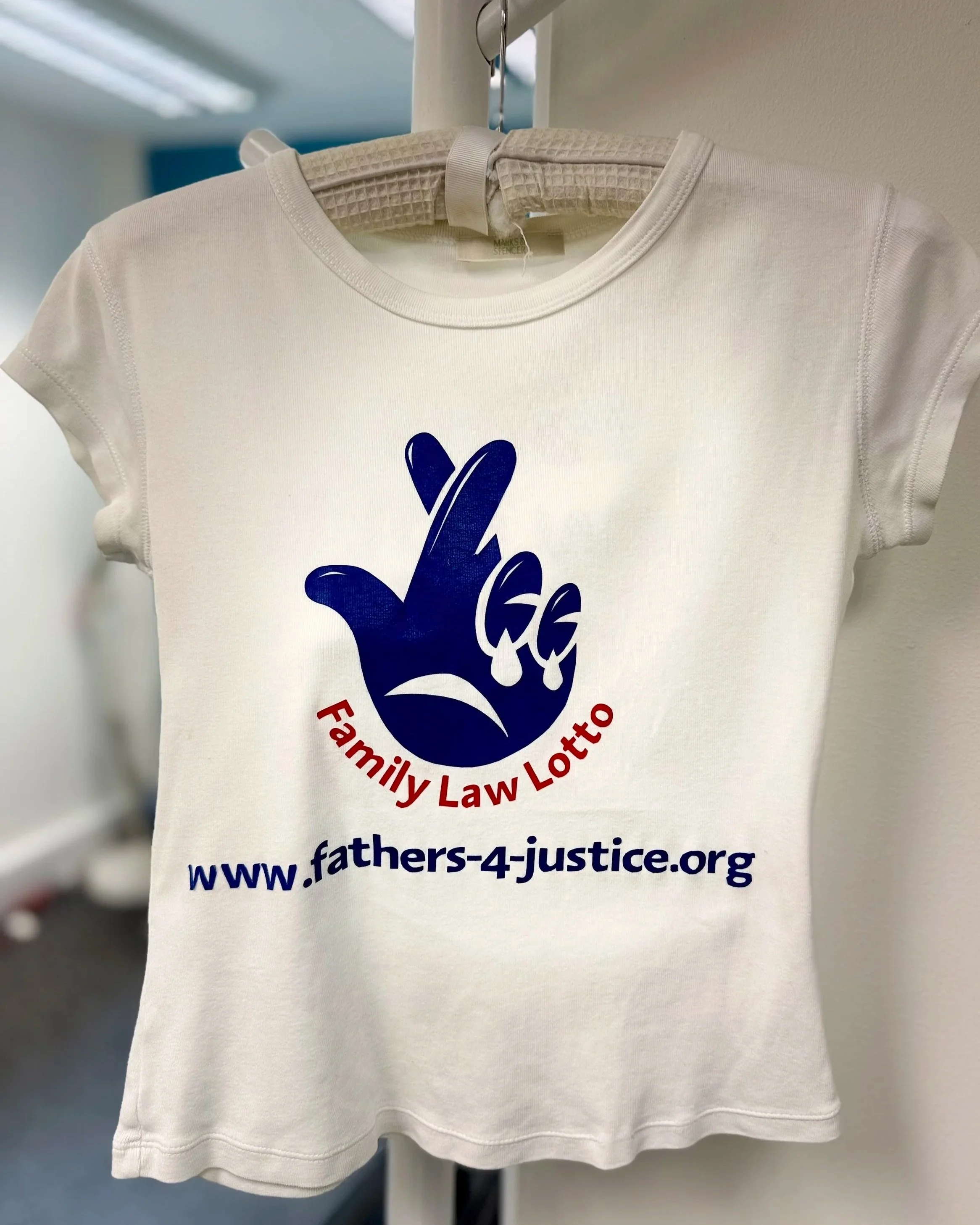
It was a risk, but a calculated one. By going on TV and then speaking to the press about my case, I knowingly broke the law, but at the same time, I was challenging it. I understood that media coverage would spark wider public debate about the secrecy surrounding family courts.
From that moment on, I became Campaign Director for Fathers4Justice, a role I held for the next 12 years. During that time, I campaigned for equal treatment of parents following separation and for greater transparency in the court system, so that no party, including the Courts or Cafcass, could operate without public scrutiny and accountability.
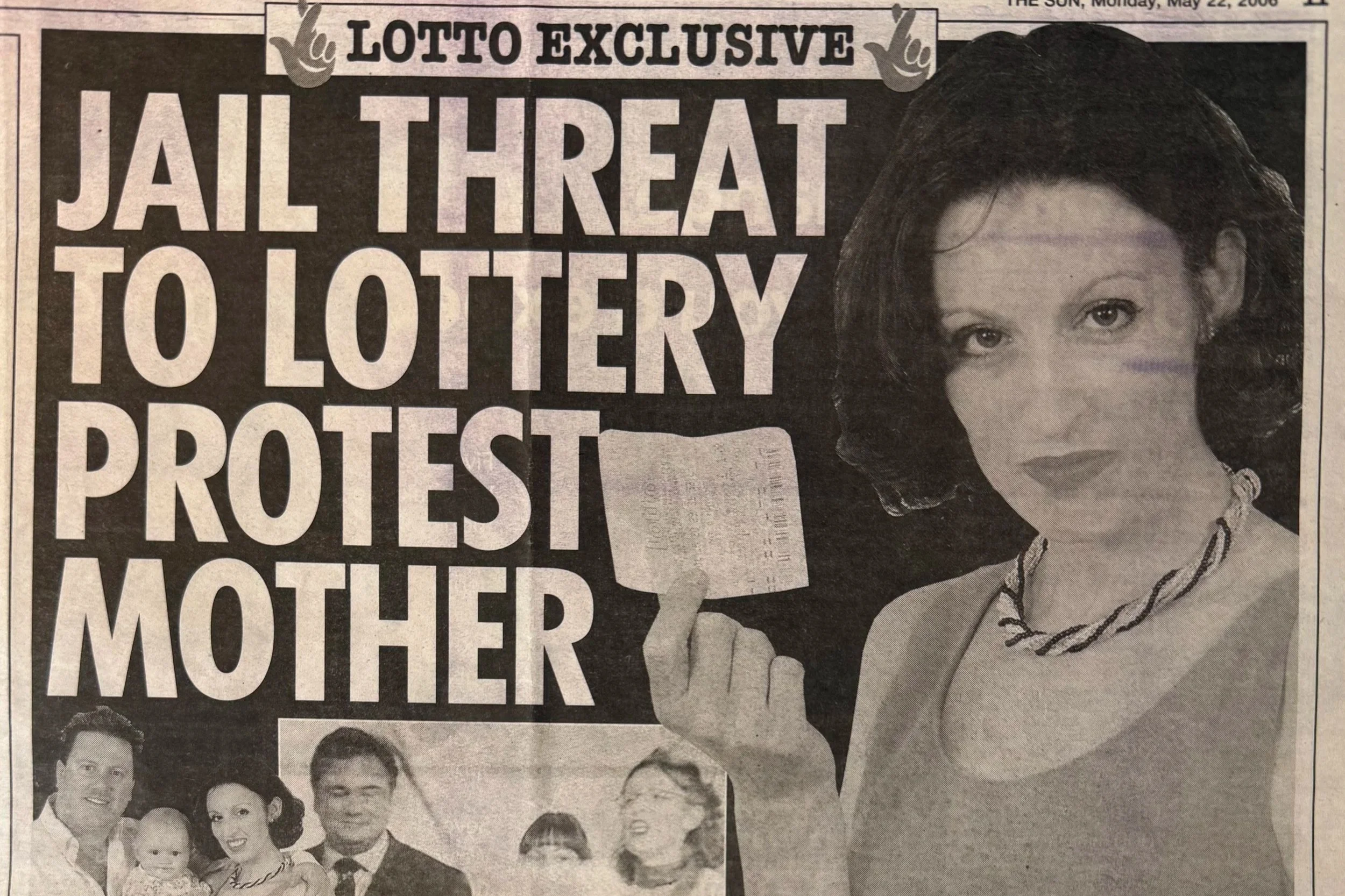
In the three years following the National Lottery protest, Dr Pelling, the country’s leading McKenzie Friend at the time, and I were involved in a legal challenge concerning coverage by The Sun and Daily Mail. Throughout those proceedings, it was widely acknowledged by the judge and opposing counsel that all parties ultimately shared the same goal: open courts and free reporting.
However, it remained necessary for me to bring the legal case and argue that the newspapers had breached the law in reporting on me, in order to demonstrate that the law itself was unjust.