
Let’s Talk Apps!
This month, I want to talk about parenting apps, what they are, how they work, and why courts increasingly prefer them over text messages or WhatsApp.
In recent years, the courts and Cafcass have encouraged parents to use dedicated parenting apps to communicate, rather than relying on standard messaging services.
As apps become part of everyday life, from ordering groceries to booking international travel, it is no surprise they are now being used to manage even the more difficult aspects of life, including co-parenting after separation.
After a difficult or high-conflict separation, it is completely natural to want to avoid all contact with your ex-partner. In some cases, the court may even order that there be no direct contact at all, particularly where domestic abuse or serious welfare concerns have been established. Courts can also limit one parent’s involvement in day-to-day decision-making to reduce conflict.
However, even where there have been allegations or findings of abuse, courts can, and often do, order the use of a parenting app. This is because, where children spend time with both parents, there must still be a safe and structured way to share essential information about them.
One of the main reasons courts prefer parenting apps is because many judges have experienced what is often described as “death by text message.”
While messages may seem clear in the moment, they often lose context when read later by someone who was not involved. What a parent may believe is strong “evidence” can instead demonstrate little more than ongoing conflict, hostility, or poorly spelled communication written in the heat of the moment.
That is why the risks of communicating through texts, emails, or messaging apps should not be underestimated. Messages can be misinterpreted, taken out of context, or presented in isolation. In some cases, they can lead to serious allegations, such as harassment, abuse, or breaches of court orders, which can have significant legal consequences.
For that reason, if you have been ordered to use a parenting app, you should do so carefully and consistently, as though your life and liberty depends on it, because it might. If you are at the beginning of your family court journey, it is often wise to move communication onto a parenting app as early as possible and avoid switching between different platforms, no matter how tempting it may be. While there is usually a cost involved in using these apps, that cost is minimal compared to the potential consequences of inappropriate or poorly evidenced communication later on.
Parenting apps provide a centralised, secure platform for managing communication, children’s schedules, and shared expenses. They are specifically designed to reduce conflict and encourage more measured, child-focused interactions. Many include features that monitor tone and language, helping to prevent escalation.
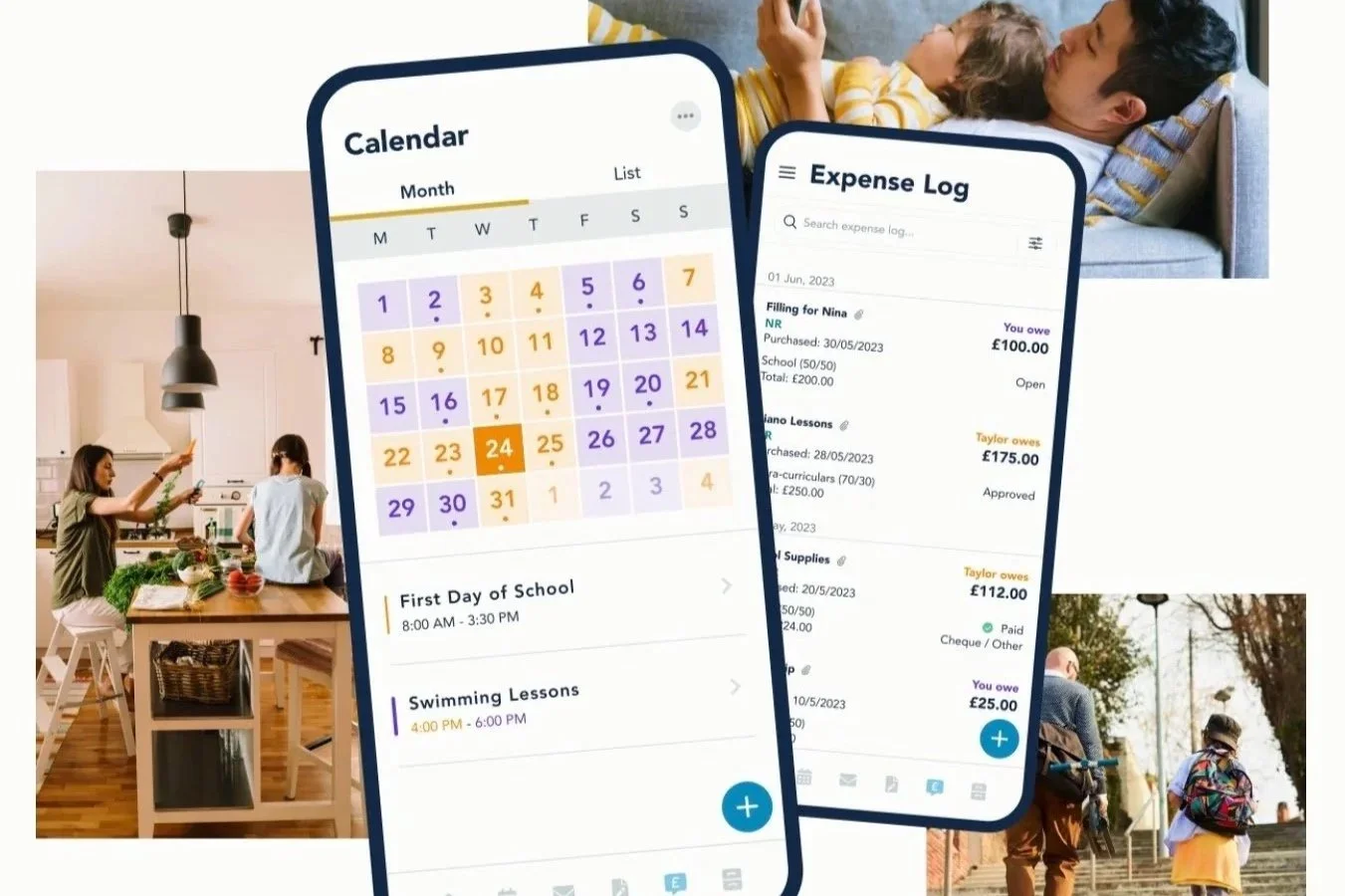
Importantly, these apps are also tamper-proof. Messages cannot be deleted or altered in the way texts, emails, or screenshots can, and yes people really do that in cases. This reduces the risk of manipulation and ensures that any communication remains reliable and admissible if needed in court. All messages are time-stamped, creating a clear and accountable record, and if need be then the Court Orders that the app is made available to them so they can check the communications directly.
Even when using a parenting app, however, caution is essential. Before sending any message, it is worth asking yourself:
Do I really need to send this message at all?
And again, do I really need to send it?
Does it need to be sent right now?
Can it wait until I have had time to reflect?
Is it brief, factual, and free from emotion?
A useful approach, suggested by a judge in one of my own cases, is to read your message out loud before sending it. Imagine it being read aloud in court by the Judge, infront of people who dont really know you and are making their minds up about you based on what you have writte, and then ask yourself if you would you be comfortable owning that message and standing by those words? If not, reconsider writing it or pressing delete all together.
It is also important to remain reasonable. The other parent may not respond immediately, and they are not expected to be constantly available. Allow appropriate time for replies, particularly for non-urgent matters. Repeatedly chasing a response can itself create unnecessary conflict. Both parents are responsible for keeping up to date with important information and changes, but it is not the job of either parent to police te app and the other parent.
In genuine 999 emergencies involving a child, a phone call, not an app message, is the appropriate course of action.
Many parenting apps also include shared calendars and document storage for school and medical information. These features help both parents stay informed and involved, reducing misunderstandings and supporting better co-parenting.
Commonly used apps in family court cases include OurFamilyWizard, AppClose, and TalkingParents.